In South Florida, your air conditioner works harder and for longer than it does in many parts of the country. A professional AC tune-up checks far more than whether the system is producing cold air. It evaluates electrical components, airflow, coils, drainage, controls, and refrigerant performance to identify potential problems before they become major repairs.
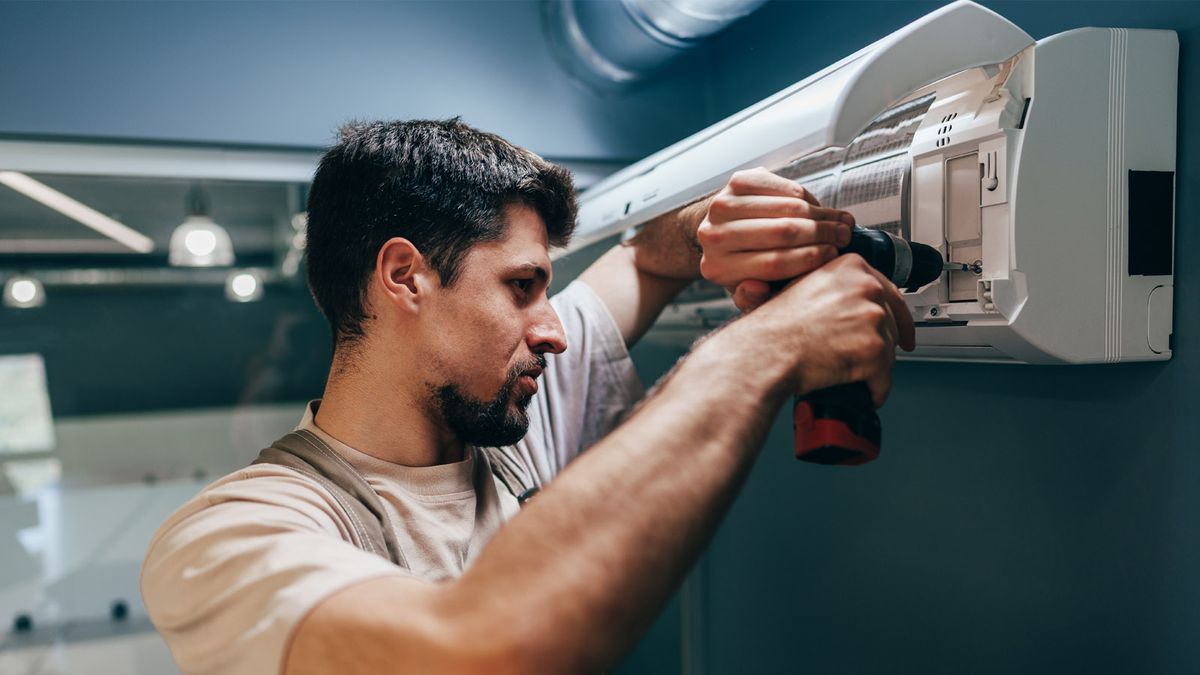
AC Tune-Ups in South Florida: What’s Included & When to Schedule
Aura America HVAC
What Is an AC Tune-Up?
An AC tune-up is preventive maintenance that evaluates the condition and operating performance of a residential air conditioning system.
It is different from an emergency repair. A repair visit begins with a known problem: the AC is not cooling, is leaking water, is making an unusual noise, or has stopped working.
A tune-up takes a preventive approach. The technician inspects and tests the system while it is operating to identify abnormal conditions, developing issues, or maintenance needs.
For homeowners looking for an AC tune-up in Pompano Beach, in Lauderhill, or preventive HVAC service elsewhere in South Florida, the important question is not simply whether a company offers a “tune-up.” It is what the technician actually checks.
A professional maintenance visit should help answer questions such as:
Is the system operating within expected conditions?
Are the electrical components functioning properly?
Is airflow adequate?
Are the evaporator and condenser coils in suitable condition for effective heat transfer?
Is condensate draining correctly?
Is the thermostat controlling the system properly?
Are there signs of abnormal wear or developing mechanical problems?
Is the cooling cycle operating as it should?
The exact scope of a tune-up can vary depending on the equipment, manufacturer requirements, system age, accessibility, and overall condition.
What Is Included in a Professional AC Tune-Up?
A thorough tune-up combines inspection, appropriate measurements, cleaning where necessary, and operational testing. It should not be reduced to wiping down the outdoor unit or changing a filter.
Refrigerant Performance Check
Refrigerant is essential to the cooling process, but adding refrigerant should not be treated as routine maintenance.
During a tune-up, a technician may evaluate refrigerant-related operating conditions when appropriate for the equipment and investigate abnormal readings. A system that appears to have low refrigerant may have an underlying problem, such as a leak or an airflow issue.
That is why professional HVAC service focuses on diagnosis rather than simply adding refrigerant.
ENERGY STAR includes checking the refrigerant level and adjusting it as needed to meet manufacturer specifications as part of a typical professional cooling system checkup. (ENERGY STAR)
If a leak is suspected, checking pressure is not the same as locating the leak. EPA guidance explains that pressure checks can indicate whether an appliance may be leaking but do not, by themselves, identify the location of the leak. (US EPA)
2. Electrical System Testing
Air conditioners rely on multiple electrical components, including motors, capacitors, contactors, controls, and electrical connections.
Depending on the equipment, a professional tune-up may include checking:
Voltage
Current draw
Electrical connections
Capacitors
Contactors
Motors
Controls and safety components
Some electrical problems become apparent only when equipment is operating under load. For that reason, appropriate operational testing can provide information that a visual inspection alone cannot.
ENERGY STAR specifically recommends tightening electrical connections and measuring voltage and current on motors as part of professional HVAC maintenance. (ENERGY STAR)
For South Florida homeowners, this is particularly relevant because AC systems can operate for extended periods during hot weather. Abnormal electrical behavior should not be ignored simply because the system is still producing cold air.
3. Condenser and Evaporator Coil Inspection
The indoor and outdoor coils perform the heat-transfer work that allows an air conditioner to cool your home.
A professional tune-up should include inspection of accessible coil surfaces and cleaning when the equipment requires it.
ENERGY STAR identifies cleaning both evaporator and condenser coils as part of a typical cooling-system maintenance checkup. (ENERGY STAR)
The outdoor condenser deserves particular attention in coastal South Florida. Salt-laden air can contribute to corrosion of exposed metal components, making coastal exposure an important consideration when evaluating outdoor equipment.
4. Condensate Drain Inspection
Your air conditioner does more than remove heat from your home. It also removes moisture from the indoor air. That moisture becomes condensate and must be carried safely away through the drainage system.
A professional tune-up should therefore include inspection of the condensate drain and verification that it is draining properly.
A restricted or blocked drain can lead to water accumulation, property damage, or indoor humidity problems. ENERGY STAR specifically includes condensate-drain inspection in its professional maintenance checklist. (ENERGY STAR)
This is particularly relevant in Florida, where air conditioning systems regularly operate under high-humidity conditions.
5. Thermostat and Controls Check
The thermostat connects your comfort settings with the HVAC system.
During maintenance, the technician can verify that the thermostat is operating correctly and that the system responds properly.
This can help identify situations in which:
The home feels warmer than the thermostat setting.
The system does not respond consistently.
The AC cycles unusually often.
The thermostat reading does not appear to match indoor conditions.
The system does not start or shut down as expected.
ENERGY STAR includes thermostat settings and system controls among the items checked during professional HVAC maintenance. (ENERGY STAR)
6. Airflow and Blower Evaluation
Good cooling performance depends on more than the outdoor unit. Conditioned air must move properly through the indoor equipment and duct system.
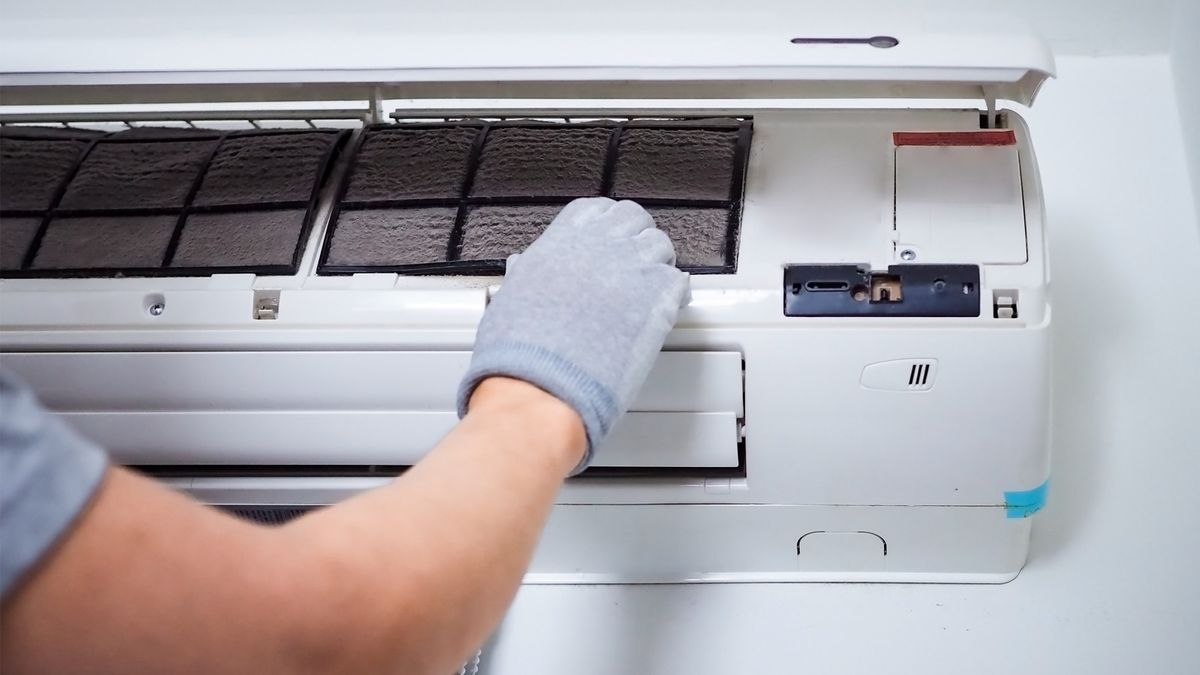
A tune-up may include evaluating airflow and inspecting components that affect it, such as the filter, blower, evaporator coil, and accessible portions of the air-distribution system.
Restricted airflow can affect both comfort and system performance.
ENERGY STAR recommends cleaning and adjusting blower components to support proper system airflow. (ENERGY STAR)
For homeowners, signs of an airflow problem can include weak supply-air movement, uneven temperatures between rooms, unusually long cooling cycles, or rooms that never seem to reach the desired temperature.
7. Blower and Mechanical Components
The blower moves conditioned air through the home, making its condition important to overall system performance.
Depending on the equipment, maintenance may include inspecting the blower, motor, moving components, and related electrical performance.
The technician should also pay attention to abnormal sounds, vibration, or other signs that a component is not operating normally.
A tune-up is not intended to automatically replace every worn component. Its purpose is to identify conditions that require attention and distinguish them from normal equipment operation.
AC Tune-Up Checklist
| Area Checked | What the Technician Evaluates | Why It Matters |
|---|---|---|
| Refrigerant circuit | Operating conditions and refrigerant performance, when applicable | Helps identify abnormal cooling performance |
| Electrical system | Voltage, current, connections, and components | Helps identify abnormal or unsafe electrical operation |
| Condenser coil | Condition, debris, and heat-transfer performance | Supports proper outdoor heat rejection |
| Evaporator coil | Condition and potential airflow restrictions | Supports indoor cooling and airflow |
| Condensate drain | Drainage and signs of restriction | Helps reduce water and humidity problems |
| Thermostat | Operation and system response | Helps ensure proper temperature control |
| Blower | Operation and condition | Supports proper airflow |
| Airflow | Overall air movement through the system | Helps identify restrictions and comfort issues |
| Controls and safety components | Starting, operating, and shutdown functions | Helps verify proper system operation |
| Cooling cycle | Overall system performance | Confirms that system components work together correctly |
This type of inspection is consistent with the categories in ENERGY STAR’s professional HVAC maintenance checklist. (ENERGY STAR)
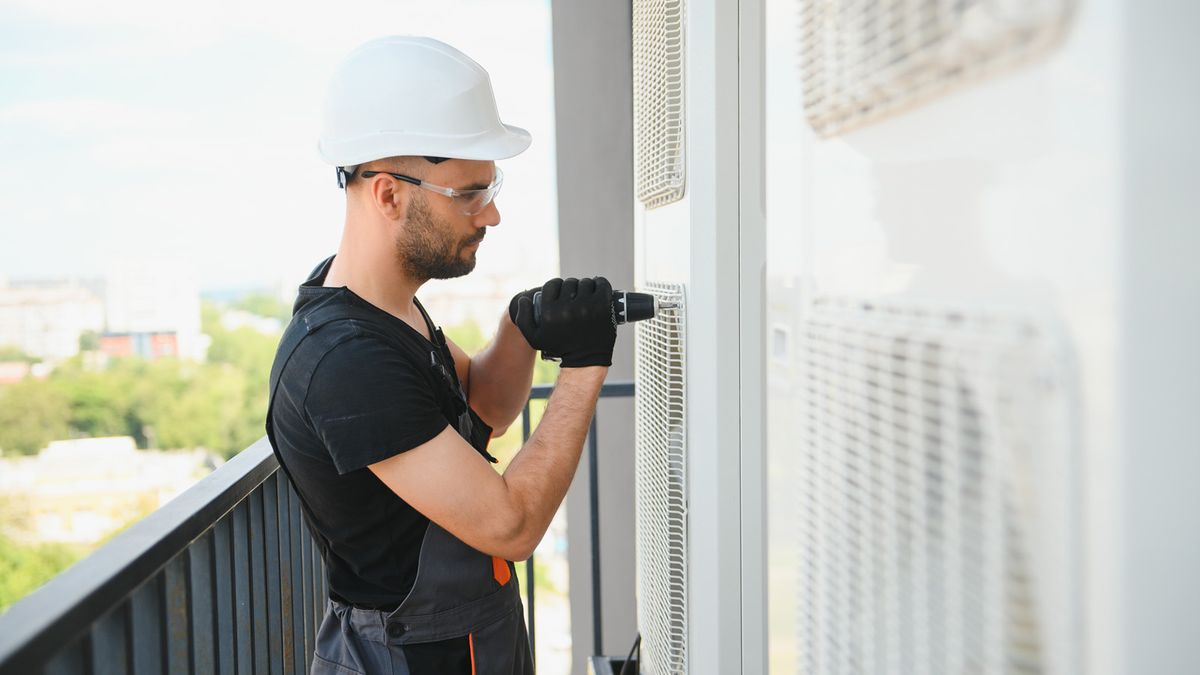
What Makes a Professional Tune-Up Different From a Quick “AC Special”?
The term “tune-up” can describe very different levels of service.
A quick visit focused mainly on surface cleaning does not provide the same information as a diagnostic maintenance inspection. When comparing HVAC companies, ask what the service actually includes.
A professional tune-up should involve appropriate measurements and operational checks rather than simply:
Spraying or rinsing the outdoor cabinet
Looking briefly at the equipment
Changing a filter and leaving
Checking whether cold air is coming from the vents
Recommending refrigerant without first diagnosing the system
The technician should be able to explain what was inspected, what was measured, what was found, and whether anything requires further attention. The objective is not to find something wrong on every visit. It is to understand the actual condition of the system.
For more on why regular preventive maintenance can help reduce costly repairs and expenses over time, see our guide on Why Preventative Maintenance Saves Thousands.
When Should You Schedule an AC Tune-Up in South Florida?
For most homeowners, the best time for a cooling-system tune-up is before the period of heaviest AC use.
ENERGY STAR recommends an annual professional cooling-system checkup in spring, before the summer cooling season begins. (ENERGY STAR)
South Florida requires a slightly different mindset because cooling demand extends well beyond a short summer season. That makes spring a logical time for a primary pre-season inspection.
For a full breakdown of how often South Florida systems should be serviced and why, see our guide on How Often Should You Schedule an AC Tune-Up.
How to Choose an AC Tune-Up Company in South Florida
If you are searching for an AC tune-up in Pompano Beach, an AC tune-up in Lauderhill, or an HVAC company serving Pembroke Pines and nearby communities, do not choose a contractor based only on the word “tune-up” or the shortest advertised service time.
Use this checklist instead:
Check the contractor’s license. Confirm that the company is properly licensed for the HVAC work it performs.
Ask what the tune-up includes. A professional service should involve inspection and testing, not just cleaning.
Ask whether electrical components are checked. Voltage, current, connections, and operating components are important parts of HVAC maintenance.
Ask how refrigerant performance is evaluated. A professional should diagnose the system rather than automatically recommend adding refrigerant.
Make sure condensate drainage is inspected. Drainage issues can cause water and humidity problems.
Ask whether airflow is evaluated. Cooling performance depends on moving air properly through the system.
Look for a documented process. You should be able to understand what the technician inspected and what was found.
Choose a company familiar with South Florida conditions. Heat, humidity, long operating seasons, and coastal exposure all affect HVAC equipment.
Consider a maintenance plan. A scheduled program can make preventive service easier to maintain.
Pay attention to communication. A professional technician should explain findings clearly and distinguish maintenance recommendations from necessary repairs.
What About AC Tune-Up Cost in Pembroke Pines?
Homeowners searching for AC tune-up costs in Pembroke Pines are usually comparing service options before booking. However, a responsible HVAC contractor should not treat a generic number as a diagnosis.
Aura America HVAC does not publish prices for HVAC services. The company determines the scope of work after a technician evaluates the equipment and its condition. If additional work is recommended, the homeowner receives a written estimate before the work begins.
That approach matters because the work involved can vary substantially depending on the equipment, system capacity, accessibility, electrical configuration, duct condition, refrigerant system, and other site-specific factors.
In other words, the more useful question is not simply, “What is the price of a tune-up?” It is, “What will the technician actually inspect and document during the visit?”
A detailed service is easier to evaluate when you know what you are receiving.
Professional AC Tune-Ups From Aura America HVAC
South Florida HVAC maintenance requires more than a generic checklist copied from another climate. The combination of heat, humidity, long cooling seasons, and coastal conditions means technicians need to understand how local environmental conditions affect residential equipment.
Aura America HVAC serves South Florida and the Florida Keys, with offices in Pompano Beach and Big Pine Key. The company is licensed and insured under Florida HVAC license CMC1251254. (auraamericahvac.com)
The company also has Russian- and Spanish-speaking technicians on staff, providing additional communication options for homeowners who prefer to work with a technician who speaks their language. (auraamericahvac.com)
Daikin is the company’s flagship brand, alongside other major HVAC manufacturers. The service approach is straightforward: inspect the system, make all the measurements, identify abnormal conditions, explain the findings, and recommend additional work only when the equipment actually requires it.
From One Tune-Up to a Maintenance Plan
A single tune-up provides a snapshot of your system’s current condition. A maintenance plan creates a more predictable schedule for monitoring that condition over time.
For homeowners who rely heavily on their AC, have an aging system, own a second home, or simply do not want preventive maintenance to fall off the calendar, a structured maintenance plan can be useful.
Aura America HVAC offers residential maintenance plans with scheduled tune-ups and additional service benefits. The company’s Comfort Plan, for example, includes two tune-ups per year. (auraamericahvac.com)
The important point is consistency. Preventive maintenance works best as an ongoing process rather than something homeowners remember only after the AC stops cooling.
Frequently Asked Questions
How often should I schedule an AC tune-up in South Florida?
ENERGY STAR recommends annual professional pre-season HVAC checkups, with cooling systems generally checked in spring before the cooling season. (ENERGY STAR)
Because South Florida systems can operate for much of the year, some homeowners may benefit from twice-yearly maintenance. The appropriate schedule depends on equipment age, usage, manufacturer recommendations, environmental exposure, and system condition.
What is included in an AC tune-up?
A professional tune-up can include checking electrical components, refrigerant-related operating conditions, coils, condensate drainage, thermostat operation, airflow, blower performance, controls, and the overall cooling cycle. The exact scope depends on the equipment and its condition.
Is an AC tune-up the same as AC cleaning?
No. Cleaning can be one part of maintenance, but a professional tune-up should also involve inspection, appropriate measurements, diagnostics, and operational testing.
A quick cleaning does not provide the same information about the condition or performance of the HVAC system.
Should refrigerant be added during every AC tune-up?
No. Refrigerants should not automatically be added as part of routine maintenance.
The technician should first evaluate system performance and determine whether the refrigerant circuit is operating as expected. If a leak is suspected, further diagnosis may be necessary. EPA guidance makes clear that a pressure check alone does not identify the location of a refrigerant leak. (US EPA)
When is the best time to schedule an AC tune-up?
Spring is a practical time for the primary pre-season cooling check because it allows potential problems to be identified before the period of greatest cooling demand. (ENERGY STAR)
In South Florida, where cooling demand extends for much of the year, a second maintenance visit later in the year may also make sense depending on the system and its operating conditions.
How do I choose a good HVAC company for an AC tune-up?
Look for a properly licensed contractor that explains what the tune-up includes, performs meaningful diagnostics, checks electrical and airflow conditions, evaluates drainage, and communicates findings clearly.
Local experience is also valuable in South Florida because heat, humidity, long cooling seasons, and coastal exposure can all affect HVAC equipment.
Official Sources
ENERGY STAR — Maintenance Checklist: professional HVAC maintenance recommendations and cooling-system checklist. ENERGY STAR Maintenance Checklist
U.S. Environmental Protection Agency — Section 608: federal requirements and guidance for refrigerant handling and HVAC service. EPA Section 608
U.S. Environmental Protection Agency — Section 608 Q&A: guidance on refrigerant leak inspections and pressure checks. EPA Refrigerant Management Program Q&A
Aura America HVAC — Contact: official company information, license, office locations, and language information. Aura America HVAC — Contact
Aura America HVAC — AC Maintenance Plans: official information about residential maintenance plans and scheduled tune-ups. Aura America HVAC — Maintenance Plans