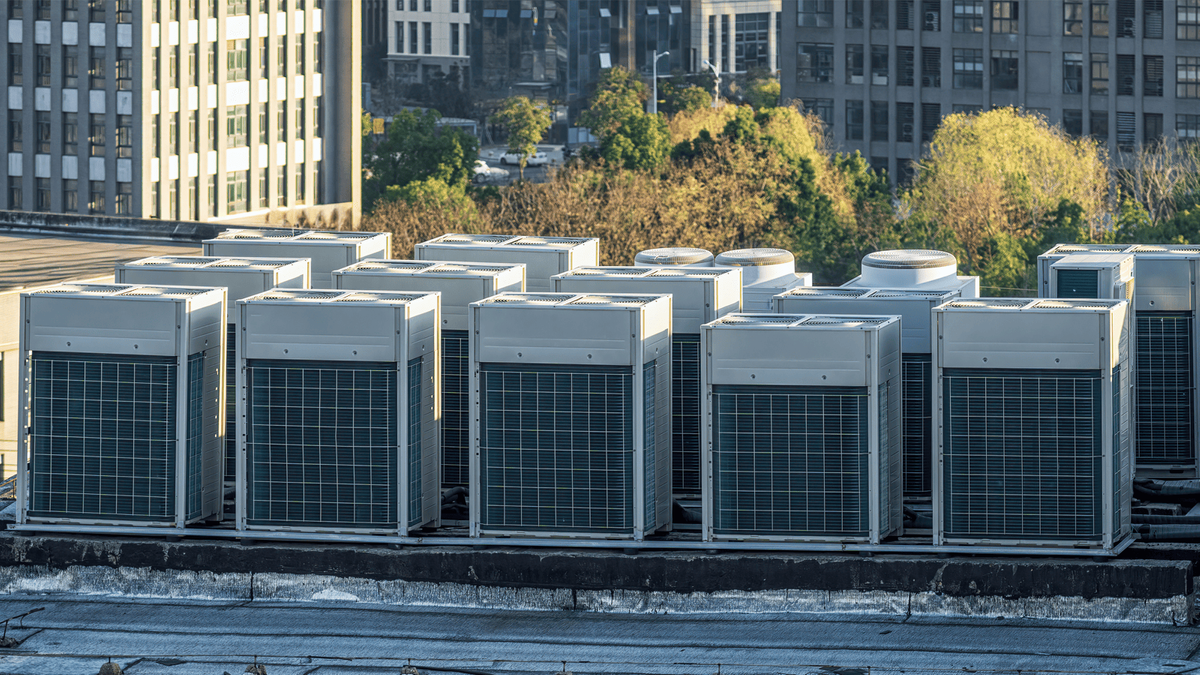
Commercial rooftop HVAC units (RTUs) on a commercial building

Commercial Rooftop HVAC Units (RTU) in South Florida

Commercial rooftop HVAC units (RTUs) are a common solution for offices, retail properties, restaurants, warehouses, and other commercial buildings. In South Florida, however, rooftop equipment operates under demanding conditions: high heat, humidity, long cooling seasons, severe weather, and salt-air exposure near the coast. Professional installation, diagnostics, and preventive maintenance are essential to keeping an RTU reliable.

For a property owner or facility manager, an RTU is more than a packaged air-conditioning unit. It is part of the building’s mechanical system, connected to ductwork, controls, electrical service, drainage, and ventilation components. A problem in one area can affect the performance of the entire system.

What Is a Commercial Rooftop HVAC Unit?

A rooftop unit, or RTU, is a packaged HVAC system installed outdoors, typically on the roof of a commercial building. Depending on the equipment configuration, an RTU can provide cooling, heating where applicable, ventilation, dehumidification, and conditioned-air distribution.

Rooftop systems are widely used in commercial buildings because they keep major mechanical equipment outside the occupied space while allowing the system to serve one or multiple zones.

The U.S. Department of Energy reports that rooftop air-conditioning units cool more than half of the space in U.S. commercial buildings. (The Department of Energy’s Energy.gov)

Daikin is one of the major manufacturers of commercial rooftop systems. Its current rooftop portfolio includes equipment for applications such as offices, education, healthcare, manufacturing, and data centers, with options including variable-speed compressors, variable-speed fans, outdoor-air monitoring, energy recovery, and advanced controls. (Daikin Applied)

The equipment itself, however, is only one part of a successful RTU installation. The roof curb, duct connections, electrical service, controls, drainage, airflow, and building requirements have to work together.

Why South Florida Is Hard on Commercial RTUs

A commercial rooftop unit in South Florida faces several environmental factors simultaneously.

Heat and long cooling seasons

Commercial buildings can require cooling for much of the year. An RTU may operate for extended periods while removing heat from occupied spaces, equipment, lighting, exterior walls, windows, and roofs.

Long operating periods increase the importance of proper airflow, electrical performance, coil condition, controls, and preventive maintenance.

Direct rooftop exposure

Unlike equipment installed inside a mechanical room, an RTU is exposed directly to the weather.

Intense sunlight, high outdoor temperatures, rain, and humidity place additional demands on the equipment cabinet, coils, motors, electrical components, and other exposed parts.

Salt air and corrosion

Coastal commercial properties have another consideration: salt-laden air.

Over time, coastal exposure can contribute to corrosion of coils, cabinets, fasteners, and other exposed components. For buildings near the Atlantic, equipment selection and maintenance should take the local environment into account.

Storms and rooftop equipment

Rooftop equipment must also be installed in accordance with the requirements applicable to the building and project location.

Florida’s 9th Edition (2026) Florida Building Code includes updated Mechanical Code provisions based on the 2024 International Mechanical Code, together with Florida-specific amendments. The Florida Building Commission publishes the current code resources and supporting analysis. (Florida Building)

The exact requirements for a commercial RTU project depend on the building, equipment, location, and scope of work. They should be evaluated as part of the project rather than assumed in advance.

Common Problems With Commercial Rooftop HVAC Units

RTU problems do not always begin with a complete system failure. Often, performance changes first.

A facility manager may notice that the building is no longer maintaining the desired temperature, certain areas have weaker airflow, the unit is cycling differently, or the equipment has developed unusual sounds or vibration.

These symptoms can have multiple causes, so replacing a component based on one symptom is not a reliable diagnostic method.

SymptomAreas that may require inspectionPriority
Building does not maintain the requested temperatureCapacity, airflow, coils, controls, or compressor operationHigh
Uneven temperatures between areasDuctwork, dampers, airflow, or controlsMedium–High
Frequent or abnormal cyclingControls, sensors, airflow, or system operationHigh
Unusual vibration or mechanical noiseFans, motors, bearings, or other mechanical componentsHigh
Water around the unit or inside the buildingCondensate drainage and related componentsHigh
Repeated electrical interruptionsElectrical components, controls, or power supplyImmediate
Visible corrosionCoastal exposure, moisture, or component deteriorationMedium–High
Gradually declining cooling performanceAirflow, coils, controls, or refrigeration-system operationHigh

This table is intended to help property and facility managers recognize potential warning signs. It is not a DIY troubleshooting or repair guide. Commercial RTUs should be evaluated by a qualified HVAC professional before repair decisions are made.

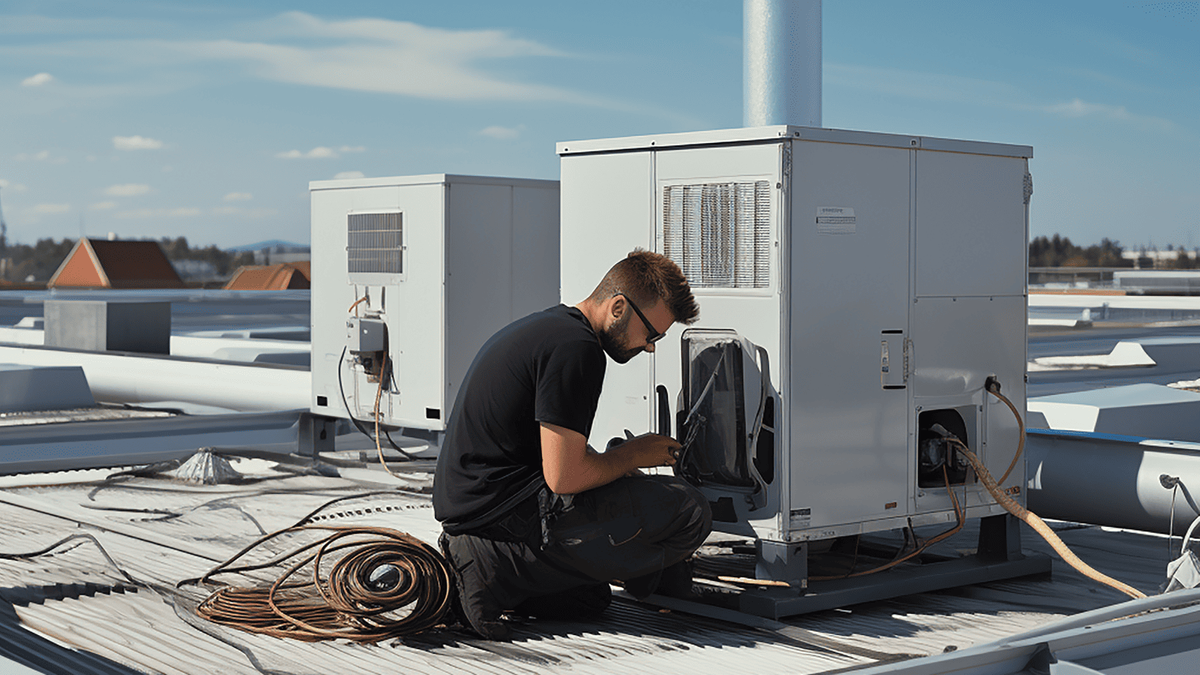
HVAC technician inspecting a commercial rooftop unit

Commercial RTU Repair or Replacement?

When an RTU develops a problem, one of the first questions is whether to repair the existing equipment or replace it. There is no universal answer.

A repair may be appropriate when the issue is isolated, and the rest of the equipment remains in good condition. A failed electrical or control component, for example, does not automatically mean that the entire RTU needs to be replaced.

Replacement is required when deterioration is widespread, reliability has declined, major components are failing, corrosion is extensive, or the existing system no longer matches the building’s operational requirements.

Age can be a useful context, but it should not be the only factor.

A professional assessment should consider:

● The overall condition of the RTU

● Compressor and fan operation

● Coil condition and corrosion

● Electrical components

● Controls and sensors

● Airflow and ductwork

● Condensate drainage

● Roof curb and curb-adapter requirements

● Available electrical capacity

● Building cooling requirements

● Equipment access

● Applicable code requirements

● Expected maintenance needs

● Available equipment efficiency and control options

The U.S. Department of Energy has also focused on improving the efficiency of commercial rooftop units, including next-generation equipment and technologies that enhance performance. (betterbuildingssolutioncenter.energy.gov)

The important point is that an RTU should be evaluated as a complete system. A relatively limited component repair is fundamentally different from a major compressor repair or complete unit replacement, and the appropriate scope should be determined after professional diagnostics.

Minimizing Downtime During Commercial HVAC Service

Commercial HVAC service has an operational dimension that residential service does not. An office, restaurant, retail property, warehouse, or other commercial facility may depend on stable indoor conditions for employees, customers, equipment, inventory, and daily operations.

That makes planning particularly important when an RTU requires significant repair or replacement.

Depending on the project, the contractor may need to coordinate roof access, electrical work, controls, duct connections, lifting equipment, or other trades.

Aura America HVAC provides RTU installation and replacement services including associated components such as roof curbs, curb adapters, tie-downs, smoke detectors, controls, outdoor-air dampers, and electric heaters. (Aura America HVAC)

The objective is not simply to get the equipment running. A professional commercial HVAC approach should address the underlying system requirements and minimize unnecessary disruption to the building’s operations.

How to Choose a Commercial RTU Contractor in South Florida

Choosing a contractor for a commercial rooftop HVAC system requires more than finding a company that offers general AC repair.

The contractor should understand packaged rooftop equipment, commercial controls, airflow, electrical requirements, ductwork, rooftop access, and the environmental conditions that affect equipment in South Florida.

Look for commercial HVAC experience

Ask whether the contractor regularly works with commercial RTUs and related mechanical systems.

Commercial rooftop equipment can involve several connected components, so the ability to diagnose the complete system is more important than simply replacing an individual part.

Verify licensing

Commercial HVAC work should be performed by a properly licensed contractor.

Aura America HVAC operates under Florida license CMC1251254 and serves commercial properties throughout South Florida and the Florida Keys.

Ask about the diagnostic process

A meaningful RTU inspection should go beyond a quick visual check.

Depending on the system and reported symptoms, a technician may evaluate electrical components, controls, airflow, coils, drainage, mechanical operation, and overall system performance.

The goal is to identify the cause of the problem rather than treat only the most visible symptom.

Consider the local environment

A contractor working in South Florida should understand the effects of heat, humidity, coastal exposure, storms, and long cooling seasons.

A commercial property near the coast may require different selection and maintenance of equipment.

Ask about preventive maintenance

Commercial RTUs should not be managed only after a failure occurs.

A maintenance plan can identify problems with coils, airflow, electrical components, controls, drainage, and mechanical parts before they become disruptive failures.

The appropriate maintenance schedule depends on the manufacturer’s requirements, equipment condition, operating hours, and building use.

Choose a contractor who can provide ongoing service

Installation is only one stage of an RTU’s life. An honest contractor can also diagnose, repair, and maintain the equipment, ensure continuity after installation, and help the property manager track recurring issues or changing conditions.

Commercial RTU Installation and Florida Code Requirements

Replacing a rooftop unit involves more than disconnecting the existing equipment and placing a new unit in the same location.

Before installation, the contractor may need to evaluate:

● Existing roof curb

● Curb-adapter requirements

● Duct connections

● Electrical service

● Controls

● Condensate management

● Outdoor-air requirements

● Rooftop access

● Equipment supports and anchoring

● Applicable Florida and local requirements

The 9th Edition (2026) Florida Building Code includes updated Mechanical Code provisions, while the Florida Building Commission provides separate resources for mechanical, building, energy, and other code requirements. (Florida Building)

The specific requirements depend on the project and jurisdiction. A qualified contractor should determine the applicable requirements during planning rather than assume that every RTU replacement follows the same process.

What Does Commercial RTU Service Cost?

Aura America HVAC does not publish fixed prices for commercial HVAC repair, replacement, or maintenance. That is intentional. The scope of commercial HVAC work cannot be determined responsibly without inspecting the actual equipment and installation.

The work required may depend on the RTU’s capacity, equipment condition, ductwork, electrical capacity, roof access, curb configuration, controls, corrosion, equipment location, permitting requirements, and installation complexity.

The qualified technician evaluates the equipment and provides a written estimate with the recommended scope of work before the job begins. For a commercial property manager, that provides something more useful than a generic price range: a clear explanation of what needs to be done and why. A precise figure given without inspecting the equipment is ultimately an assumption.

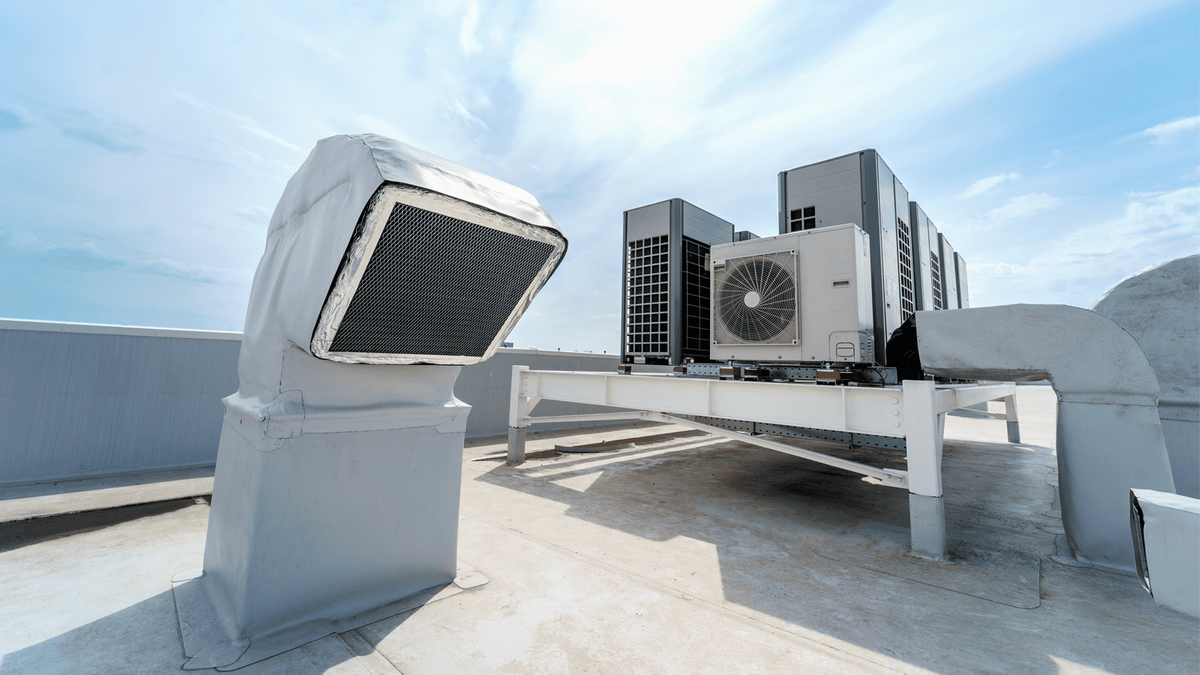
Commercial rooftop HVAC and ventilation units

Commercial Rooftop HVAC Service From Aura America HVAC

South Florida commercial buildings depend heavily on reliable HVAC systems. When an RTU develops a problem, the right response is not always immediate replacement. In many cases, the first step is understanding what has actually failed, how the rest of the system is performing, and whether the equipment still meets the building’s requirements.

Aura America HVAC provides commercial HVAC installation, repair, and maintenance services throughout South Florida and the Florida Keys, with offices in Pompano Beach and Big Pine Key.

The company has Russian- and Spanish-speaking technicians on staff, providing an additional option for technical communication when working with multilingual commercial teams.

Daikin is the flagship brand, while the company also services other major HVAC manufacturers according to all requirements.

For property owners and facility managers, the practical approach is straightforward: diagnose the system, understand the scope, compare the appropriate repair and replacement options, and maintain the equipment after the work is complete.

Related Aura America HVAC Resources

Rooftop Unit HVAC Repair Done Right

Commercial HVAC resources from Aura America HVAC

VRF Systems Repair: Precision Service for Advanced Comfort Systems

FAQ: Commercial Rooftop HVAC Units

How long does a commercial rooftop HVAC unit last?

There is no single service-life figure that applies to every RTU. Operating hours, maintenance, installation quality, equipment selection, system load, and environmental exposure all affect equipment life.

Coastal exposure can also contribute to corrosion of exposed components. For that reason, equipment condition and maintenance history are more useful than age alone when evaluating whether an RTU should be repaired or replaced.

How often should a commercial RTU be serviced?

The appropriate schedule depends on the manufacturer’s recommendations, operating conditions, equipment condition, and building use.

A commercial RTU that operates extensively may require a more structured maintenance program than equipment with lighter use. Preventive service should address the system as a whole, including airflow, coils, electrical components, controls, drainage, and mechanical operation.

Should a commercial rooftop unit be repaired or replaced?

That decision should follow a professional inspection. If the problem is isolated and the equipment is otherwise in good condition, repair may be appropriate. If the unit has widespread deterioration, repeated failures, significant corrosion, or no longer meets the building’s requirements, replacement may be more practical.

Are RTUs suitable for commercial buildings in South Florida?

Yes. Rooftop units are widely used in commercial buildings. The U.S. Department of Energy reports that rooftop air-conditioning units cool more than half of the space in U.S. commercial buildings. (The Department of Energy’s Energy.gov)

The appropriate system depends on the building’s cooling load, configuration, ventilation requirements, operating schedule, electrical capacity, ductwork, and installation conditions.

What should a property manager look for in a commercial RTU contractor?

Look for commercial HVAC experience, appropriate licensing, familiarity with packaged rooftop systems and controls, knowledge of South Florida conditions, and the ability to provide both installation and ongoing service.

Does Florida have specific requirements for rooftop HVAC equipment?

Yes. Commercial HVAC projects must comply with applicable Florida and local requirements.

The current 9th Edition (2026) Florida Building Code includes updated Mechanical Code provisions. The Florida Building Commission provides the official code resources and supporting documentation. (Florida Building)

The exact requirements depend on the building, location, equipment, structural conditions, and scope of work, so they should be evaluated for the specific project.

Official Sources

Florida Building Commission — 9th Edition (2026) Florida Building Code

Florida Building Commission — Analysis of Changes, 9th Edition (2026) Florida Building Code, Mechanical

U.S. Department of Energy — Commercial Rooftop Air-Conditioning Units

Daikin Applied — Commercial Rooftop HVAC Systems

Aura America HVAC — Rooftop Unit Installations and Replacements in South Florida

Sources checked in August 2026. Code requirements should be confirmed for the specific building, project scope, and jurisdiction before work begins.

Call Aura America HVAC today to schedule your RTU appointment!