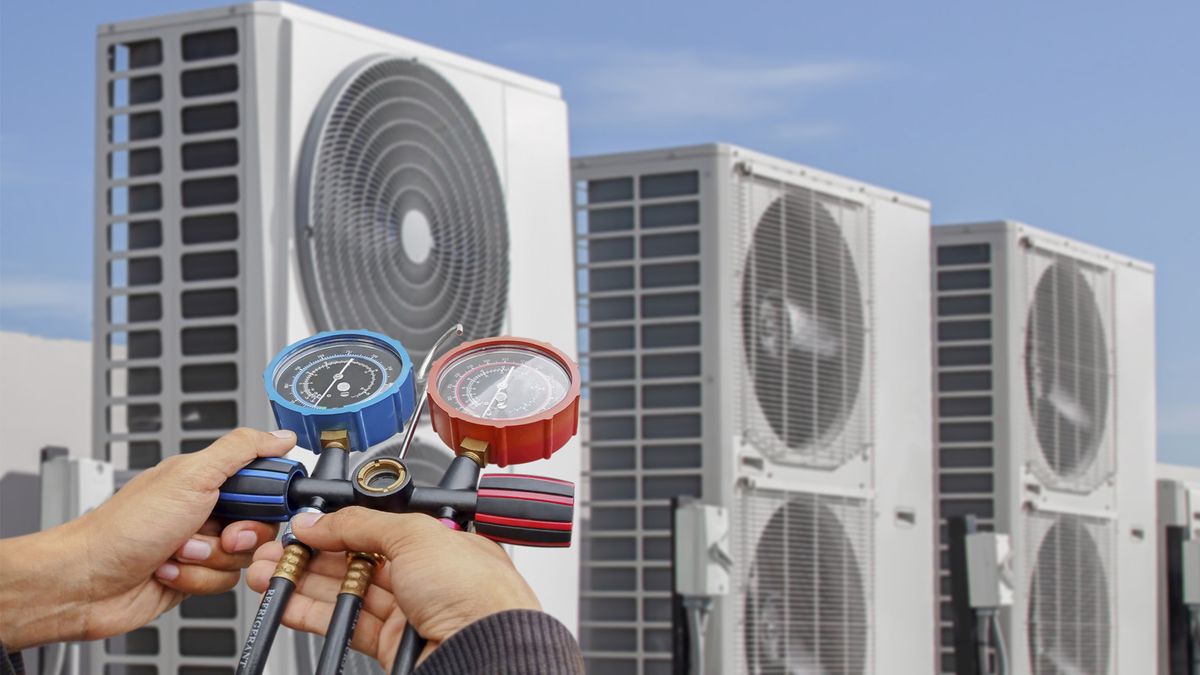
Technician checking system pressures with manifold gauges in front of commercial VRF/VRV outdoor units on a rooftop

Commercial VRF/VRV Systems: Service and Maintenance in South Florida

Commercial VRF/VRV systems should be serviced on the schedule set by the manufacturer, and more often in coastal South Florida buildings where salt air, humidity and long operating hours increase wear. Because one outdoor unit serves many indoor units, a skipped inspection can lead to a failure that affects several zones at once.

VRF/VRV systems connect indoor units, outdoor equipment, refrigerant piping, and centralized controls. In South Florida, where heat, humidity, and sustained cooling demand put equipment under constant pressure, professional commercial VRF maintenance helps protect reliability, indoor comfort, and business continuity.

Why VRF/VRV Systems Need Specialized Maintenance

Variable Refrigerant Flow (VRF) and Variable Refrigerant Volume (VRV) systems regulate refrigerant flow to serve multiple indoor units. They are commonly used in offices, hotels, medical facilities, and retail buildings where different zones may have different cooling requirements.

Their interconnected design creates specific maintenance challenges. A problem with a shared component, refrigerant circuit, or communication network can affect more than one occupied area. That is why VRF system HVAC service should evaluate the equipment as a coordinated system rather than treat every indoor unit as an isolated device.

A professional maintenance visit may cover:

  • Outdoor units, heat exchangers, fans, and electrical connections.

  • Indoor unit filters, coils, condensate drainage, and pumps where installed.

  • Refrigerant piping, insulation, and signs of potential leakage.

  • Controllers, communication links, and stored fault codes.

  • Operating parameters and components specific to the installed system.

The precise scope depends on the equipment model, system configuration, manufacturer instructions, and operating conditions.

How Often Should a Commercial VRF System Be Serviced?

There is no single maintenance interval that suits every commercial VRF/VRV installation. The schedule should follow the manufacturer’s requirements and account for operating hours, environmental exposure, system condition, and the consequences of downtime.

South Florida properties may need more frequent inspections when equipment is exposed to coastal air, operates for extended hours, or serves areas where drainage problems could disrupt business.

A hotel operating around the clock, for example, has different maintenance priorities from an office with limited occupancy hours.

System conditionMaintenance priority
Outdoor equipment exposed to salt airInspect coils, cabinet surfaces, and signs of corrosion
Extended operating hoursReview performance and operating trends at appropriate intervals
Multiple connected indoor unitsAssess individual units and shared system controls
Condensate pumps or concealed drainageCheck drainage performance and signs of leakage
Recurring fault codes or comfort complaintsInvestigate patterns and determine whether further diagnostics are needed

A documented maintenance schedule helps facility managers plan inspections around occupancy and equipment requirements instead of waiting for a noticeable loss of performance.

What Does Professional VRF Service Include?

1. Outdoor Unit Inspection

Outdoor units face heat, moisture, airborne debris, and, in coastal locations, salt exposure. Technicians inspect heat exchangers, fans, electrical connections, cabinet condition, and other components.

Accumulated debris and corrosion can affect heat transfer and equipment condition. Inspection findings help determine whether cleaning or further investigation is appropriate.

2. Indoor Units and Condensate Drainage

Indoor units need appropriate airflow and reliable condensate removal. Depending on the equipment, the technician checks filters, heat exchangers, drain pans, pumps, and accessible drainage components.

Drainage is particularly important in South Florida’s humid climate. A blocked drain or malfunctioning condensate pump can cause water leakage and damage to ceilings, finishes, or nearby equipment. In commercial buildings, concealed units and shared drainage infrastructure can make access and inspection more complex.

3. Controls and Communication Networks

VRF systems rely on communication between indoor units, outdoor equipment, and controllers. A professional service visit includes reviewing available fault codes and checking relevant control and communication functions.

Repeated faults or inconsistent temperatures should be assessed in context. A symptom affecting several zones may require a broader system-level investigation rather than attention to just one indoor unit.

4. Refrigerant Circuit and Operating Parameters

Technicians evaluate relevant operating readings under appropriate conditions. Depending on the system and service scope, these may include temperatures, pressures, electrical measurements, and other diagnostic data.

They also inspect accessible refrigerant piping and insulation for signs of damage or potential leakage. If a leak is suspected, it should be investigated and addressed appropriately rather than treating refrigerant replenishment as a substitute for diagnosing the cause.

5. Distribution Components and Service Records

Where the system design includes branch selector boxes or other refrigerant distribution components, their condition and operation may form part of the inspection.

The visit should also produce useful documentation: which equipment was inspected, what was observed, whether fault codes were present, and what follow-up actions are recommended. Consistent records help facility managers track recurring issues and plan future maintenance.

For model-specific requirements, consult Daikin’s official technical resource center, Mitsubishi Electric’s CITY MULTI information for professionals, and LG HVAC’s official resource directory. Maintenance procedures vary by manufacturer and model.
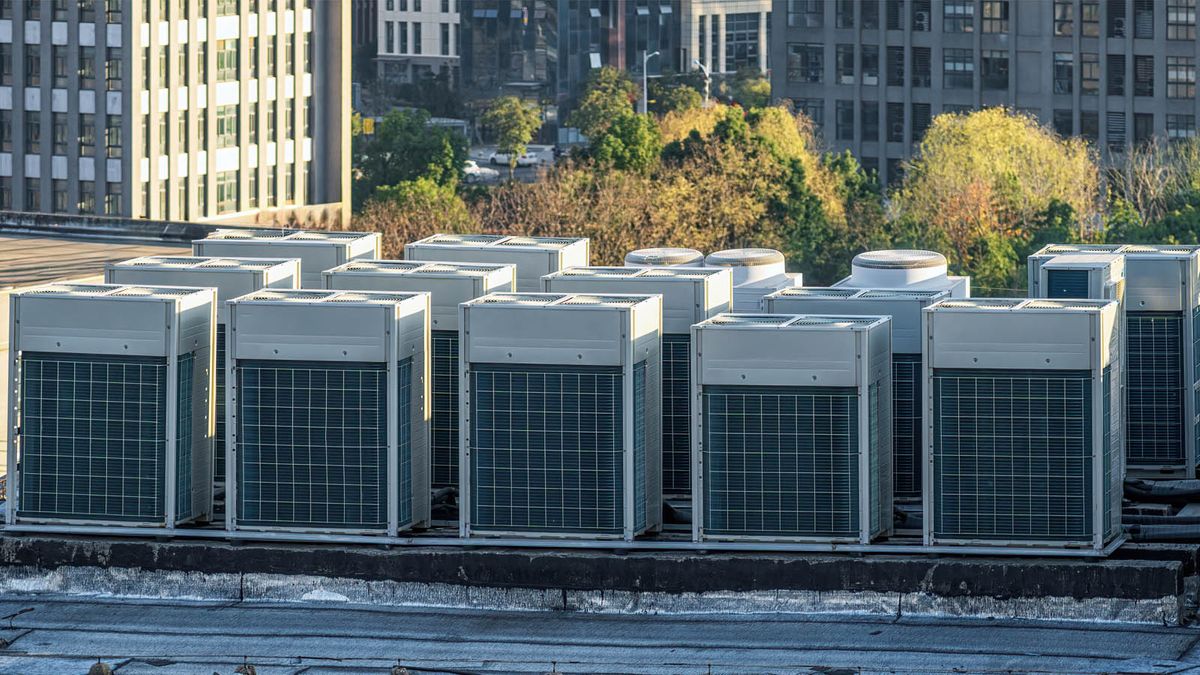
Rooftop of a commercial building with a group of VRF/VRV outdoor units serving multiple indoor zones

Why South Florida Conditions Matter

Coastal air and corrosion. Salt carried inland from the coast can accelerate corrosion on exposed metal surfaces. Equipment location, protective finishes, and manufacturer-approved maintenance practices should inform the inspection schedule.

Heat and humidity. High cooling demand increases operating demands, while humid conditions make condensate management especially important. Reliable drainage helps reduce the risk of water-related disruption.

Long operating hours. Some commercial properties need cooling beyond standard business hours. Maintenance planning should reflect actual equipment use and the operational importance of each zone.

Thunderstorms and electrical disturbances. Severe weather can expose HVAC equipment to electrical disturbances. Inspecting relevant electrical connections and protective components can help identify concerns that require attention.

Complex building layouts. Multi-story properties, concealed indoor units, long refrigerant runs, and restricted access can complicate service. Coordination with facility teams helps technicians plan inspections while minimizing disruption to occupied areas.

How to Choose a Commercial VRF Service Provider

Not every HVAC contractor has the same experience with complex multi-zone systems. When evaluating a commercial VRF maintenance provider, property managers should look beyond general AC service capabilities.

Use this checklist to assess a contractor:

  • Verify the Florida license. Confirm that the contractor holds the appropriate license for the proposed work. Aura America HVAC operates under Florida HVAC contractor license CMC1251254.

  • Ask about VRF/VRV experience. Look for familiarity with the installed equipment, control architecture, refrigerant distribution, and manufacturer-specific diagnostic procedures.

  • Confirm the inspection scope. Ask which indoor and outdoor units, drainage components, controls, and operating checks are included.

  • Review service documentation. Reports should identify inspected equipment, relevant findings, fault codes where available, and recommended follow-up actions.

  • Discuss scheduling. Establish how equipment access and work timing will be coordinated around occupancy, critical areas, and business operations.

  • Clarify the repair approval process. Additional diagnostics or repairs should be documented and approved before the work proceeds.

  • Look for a preventive approach. A structured maintenance plan should provide recurring inspections and service records, not just responses to equipment failures.

Aura America HVAC serves South Florida from offices in Pompano Beach and Big Pine Key. Russian- and Spanish-speaking technicians are on staff.

For a commercial property, the goal is a service provider that understands the installed system, follows appropriate technical procedures, and gives facility managers clear information about equipment condition and maintenance priorities.

From Routine Service to a Maintenance Plan

Preventive maintenance establishes a recurring schedule for inspections, performance reviews, and documented recommendations.

Although maintenance cannot eliminate every possible breakdown, it can help identify developing concerns and give property managers a better basis for planning service. Consistent records also make it easier to review recurring faults and prioritize follow-up work.

Explore Aura America HVAC’s commercial VRF/VRV systems service page for information about system-specific support. For ongoing preventive planning, see our tailored AC maintenance plans.

If a system is already experiencing persistent faults or performance problems, our separate guide to VRF system repair and precision service covers repair-related concerns.

Frequently Asked Questions

How often should a commercial VRF system be maintained?

Follow the manufacturer’s instructions and account for operating hours, environmental exposure, and equipment condition. Coastal properties and buildings with extended operating schedules may need more frequent inspections.

Is VRF maintenance different from standard commercial AC maintenance?

Yes. In addition to inspecting indoor and outdoor units, VRF service considers refrigerant distribution, communication networks, system controls, and the interaction between multiple zones.

Can one indoor unit fault affect the entire VRF system?

It depends on the fault and system configuration. Some problems remain limited to one unit, while others can affect shared components or multiple zones. A qualified technician should assess the specific fault.

What should a VRF maintenance report include?

A useful report documents the equipment inspected, relevant operating observations, available fault codes, component and drainage findings, and recommendations for follow-up work.

Can preventive maintenance prevent every breakdown?

No. Regular maintenance cannot guarantee uninterrupted operation, but it can help identify developing issues and support more informed service planning.

How should a commercial property manager choose a VRF service contractor?

Verify the appropriate Florida license, ask about relevant VRF/VRV experience, confirm the inspection scope, and review the provider’s documentation and repair approval procedures.

Call Aura America HVAC today to schedule your appointment!