South Florida presents particular challenges for residential air conditioning. High humidity, coastal exposure, frequent thunderstorms, and long cooling seasons all affect how HVAC equipment operates.
Here are some common reasons homeowners contact a Daikin repair service.
Water Leaks from Indoor Units
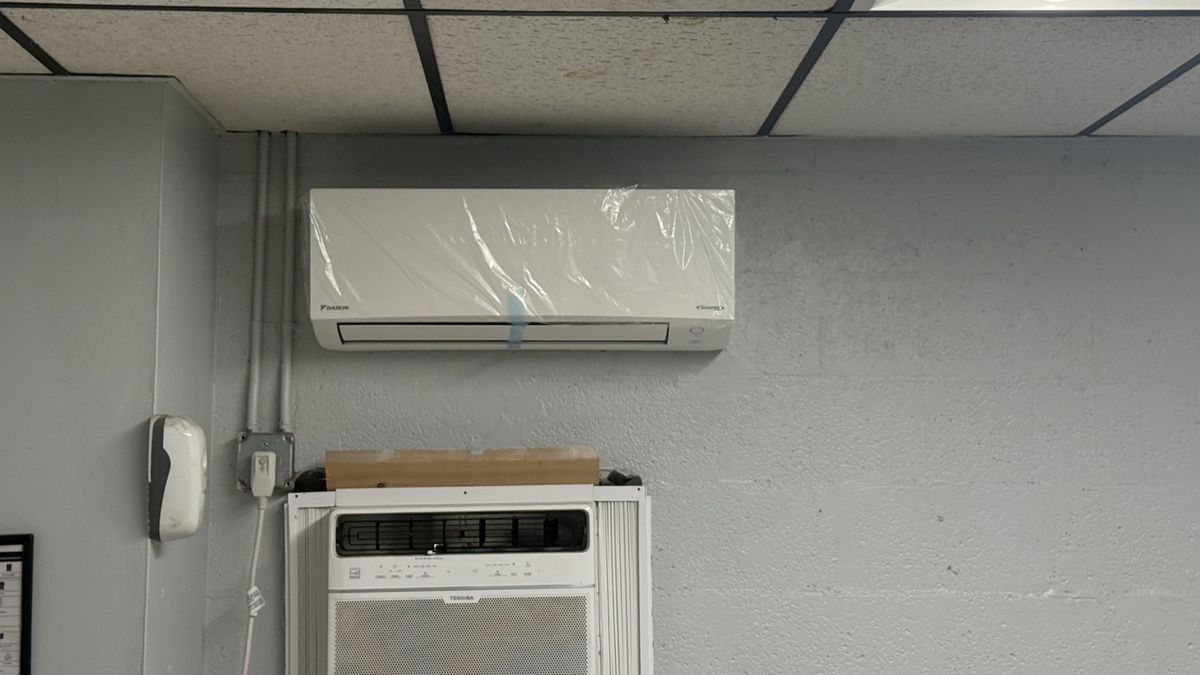
Water dripping from an indoor unit often points to a condensate drainage problem. During cooling, an air conditioner removes moisture from the air. That moisture collects in a drain pan and flows outside through a drainage line.
A blocked line, an improperly connected drain, or an insulation issue can interfere with this process. Because South Florida’s humidity creates a significant cooling and dehumidification demand, proper drainage is especially important.
If you notice water around your Daikin indoor unit, turn the system off and arrange a professional inspection. Prompt attention can help prevent damage to walls, flooring, and furnishings.
Weak Cooling and Uneven Temperatures
Does your Daikin run but fail to keep your home comfortable? Several issues may be responsible:
Restricted airflow or dirty coils.
Problems within the refrigerant circuit.
Faulty temperature sensors.
Electrical or control board malfunctions.
Communication problems between system components.
In multi-zone installations, one room may cool normally while another remains too warm. This does not necessarily mean that the entire system has failed. A technician should inspect the affected zone and evaluate the equipment before recommending a repair.
Ice on the Indoor Unit or Refrigerant Lines
Ice formation is a warning that the system may not be operating correctly. Restricted airflow, refrigerant-related problems, or other technical faults can contribute to freezing.
Continuing to operate an iced-up air conditioner can place additional strain on its components. Professional troubleshooting helps identify the cause and determine what needs attention.
Unusual Noises and Vibrations
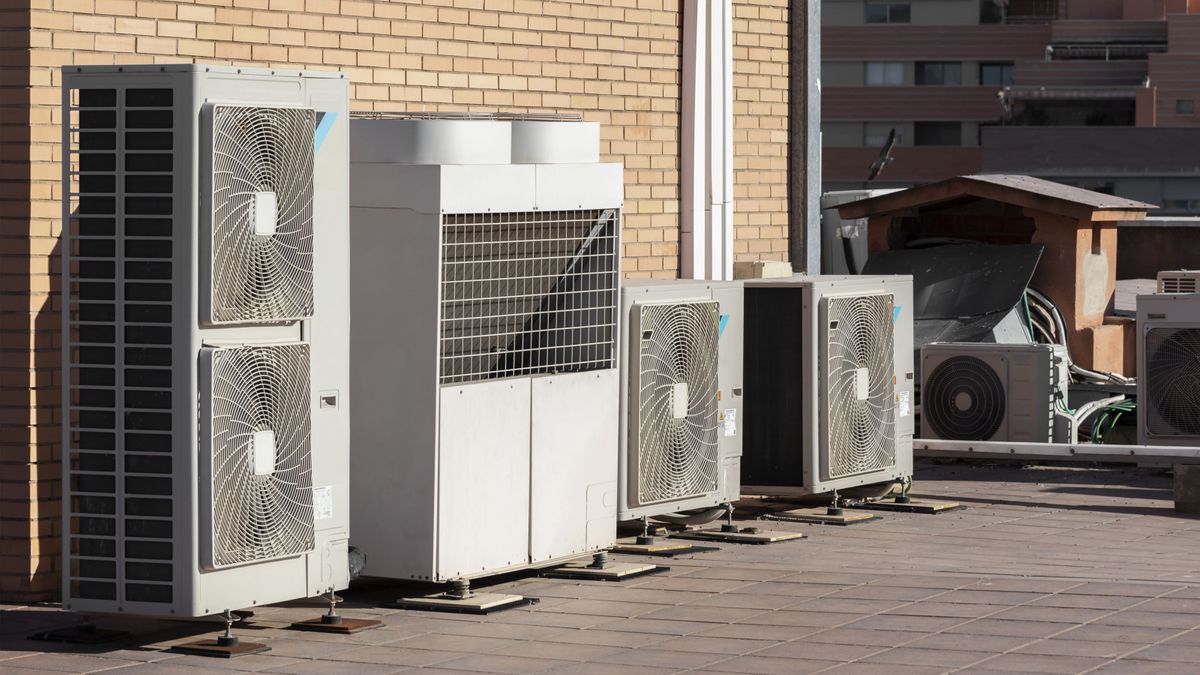
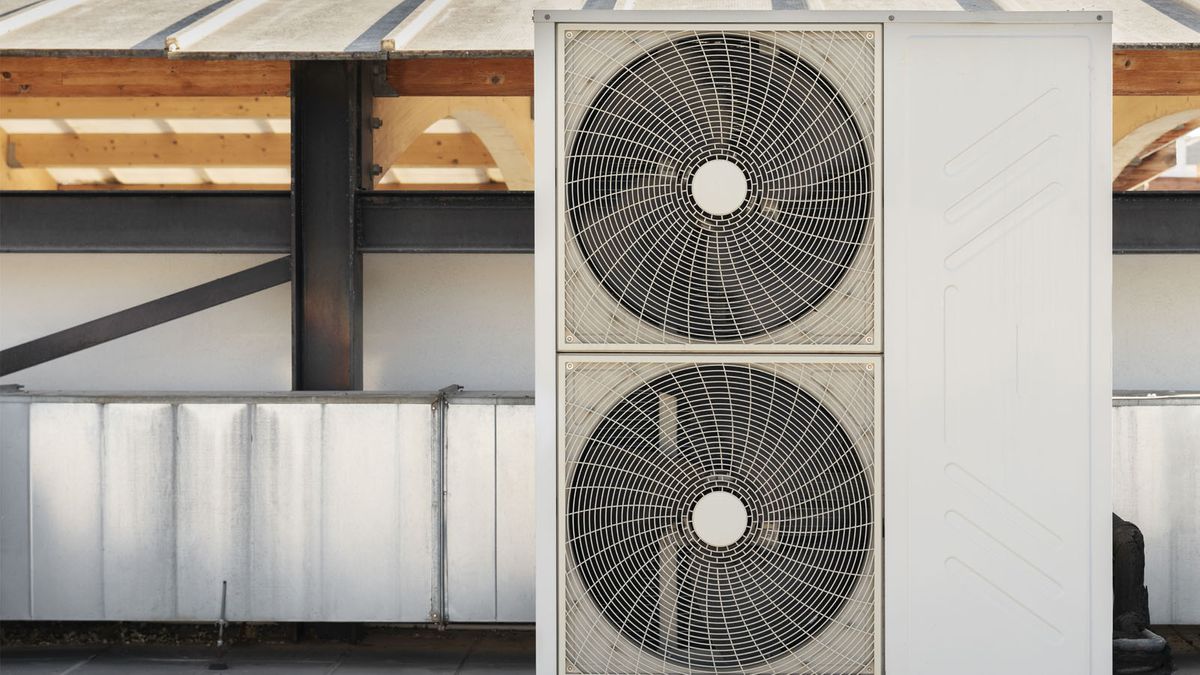
Rattling, buzzing, clicking, or excessive vibration should not be ignored. These sounds may come from fan components, loose connections, mounting issues, or other mechanical and electrical parts.
The location of the noise matters. An indoor unit and an outdoor unit have different components, so the technician needs to inspect the relevant equipment rather than assume a particular part has failed.
Error Codes and Communication Issues
If your Daikin controller displays an error code or a warning indicator starts flashing, take note of the message. Error codes help technicians identify reported system faults and narrow down possible causes.
Depending on the model, the issue may involve sensors, electrical components, inverter operation, or communication between indoor and outdoor units.
Share the displayed code with your HVAC technician when arranging service. For additional information about VRV troubleshooting, see our Daikin VRV System Troubleshooting Guide.