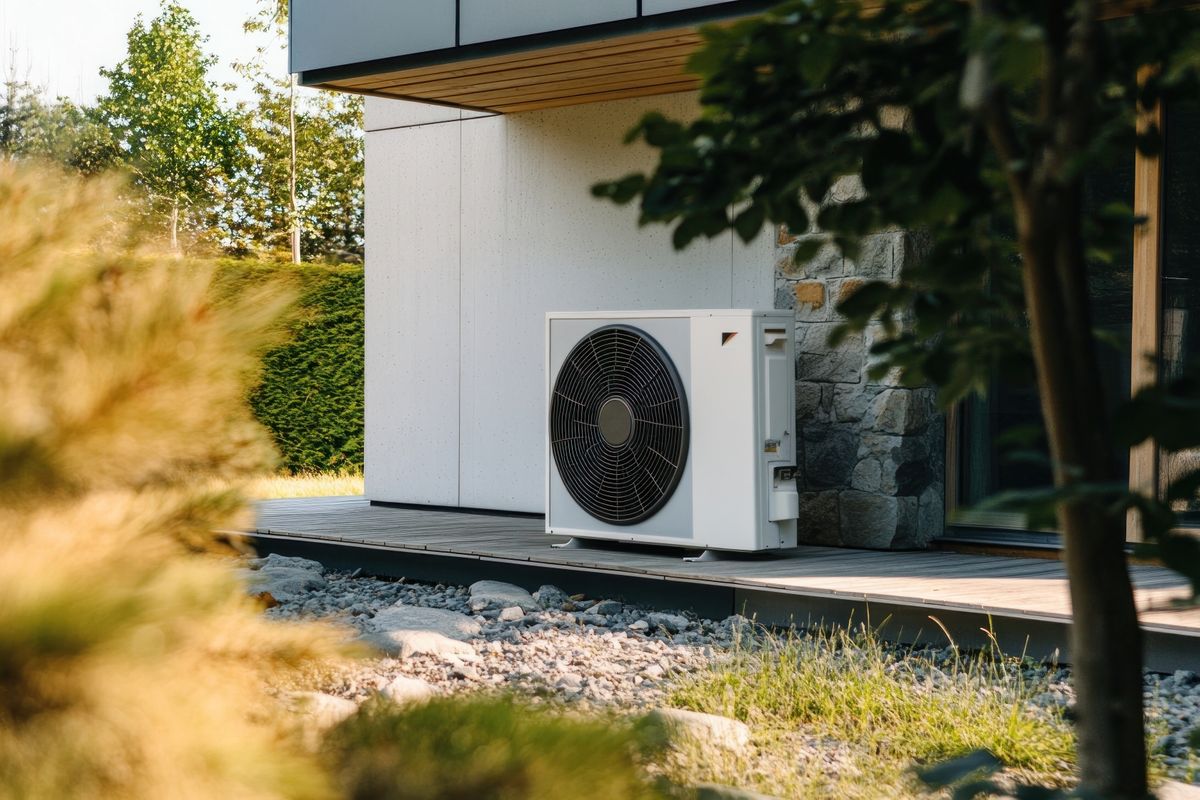
Outdoor air-source heat pump unit installed at a South Florida home

Heat Pumps for South Florida Homes: How They Work & Why They Fit

If you live in South Florida, an air-source heat pump can cool your home through the long, hot season and provide heating when temperatures drop — all with one system. Because South Florida has relatively mild winters compared with northern states, a heat pump can be a practical year-round HVAC solution without relying on a separate furnace.

For homeowners considering an HVAC replacement or a more efficient way to manage comfort, the key is choosing the right system for the home and having it properly sized and installed.

How Does an Air-Source Heat Pump Work?

An air-source heat pump moves heat rather than creating it through combustion.

During cooling operation, the system removes heat from indoor air and transfers it outside. When you need heat, the refrigeration cycle reverses, allowing the system to move available heat from outdoor air into the home.

In other words, the same equipment can provide:

  • Cooling during South Florida’s hot season

  • Heating during cooler winter weather

  • More flexible year-round temperature control

  • Efficient operation without a separate gas furnace

The technology is similar to that used by an air conditioner for cooling. The major difference is that a heat pump can reverse the refrigeration cycle and provide heating as well.

That makes the technology particularly relevant in Florida, where cooling is needed for much of the year but heating demand is generally limited.

Why Are Heat Pumps a Good Fit for South Florida?

South Florida’s climate changes the way homeowners should think about heating and cooling.

In colder states, a heat pump may spend a significant portion of the year providing heat. In South Florida, cooling remains the primary job. Heating is needed mainly during occasional cooler periods, so homeowners can benefit from having one system capable of handling both functions.

Another important factor is efficiency. ENERGY STAR uses SEER2 to measure cooling efficiency and HSPF2 to measure heating efficiency. Current ENERGY STAR criteria for qualifying split-system heat pumps include a minimum of 15.2 SEER2 and 7.8 HSPF2, although individual equipment can offer higher ratings. (ENERGY STAR)

However, the highest efficiency rating on a product label does not automatically mean the system will perform well in your home. Equipment selection, sizing, ductwork, airflow, installation quality, and controls all matter.

Condensation on glass representing Florida's high humidity

Heat Pumps and Florida Humidity

Cooling in South Florida is not only about lowering the thermostat. Humidity control is equally important.

A system that is incorrectly sized or installed may cool the space quickly but not operate long enough to remove moisture effectively. That can leave a home feeling cool but still damp or uncomfortable.

Proper sizing, airflow management, and equipment selection are therefore essential when choosing an HVAC system for a hot and humid climate. Aura America HVAC discusses these considerations in its guide to choosing air-conditioning systems for hot and humid climates. (Aura America HVAC)

Is a Mini-Split a Heat Pump?

Sometimes, yes.

A mini-split describes how the system is configured, while a heat pump describes what the system does. A ductless mini-split can be an air-source heat pump capable of both cooling and heating.

Mini-split heat pumps can be especially useful when traditional ductwork is unavailable or when a homeowner wants more precise control over individual areas of the house.

They can work well for:

  • Home additions

  • Bedrooms or isolated rooms

  • Converted garages

  • Spaces where extending ductwork is impractical

  • Homes that need individual temperature zones

Aura America HVAC installs and services mini-split systems throughout South Florida, including ductless and ducted configurations. (Aura America HVAC)

The important point is not to choose a mini-split simply because it is popular. The system still needs to be correctly sized and matched to the home’s layout, insulation, occupancy, and comfort requirements.

How to Choose the Right Heat Pump for Your Home

Choosing an air-source heat pump should start with the house — not with a particular brand or the largest capacity available.

Here are the main factors a South Florida homeowner should consider:

1. Correct system size

A heat pump that is too small may struggle to maintain comfort during periods of high demand. An oversized system can cycle too frequently and may not manage humidity as effectively.

Professional load calculations are more reliable than choosing equipment based only on square footage.

2. SEER2 and HSPF2 ratings

SEER2 indicates cooling efficiency, while HSPF2 measures heating performance. These ratings make it easier to compare equipment, but they should not be the only criteria.

A slightly different system with better sizing or installation can perform better in a real home than a higher-rated unit that is poorly matched to the property.

3. Existing ductwork

If you’re replacing an existing central HVAC system, inspect the ductwork before installing new equipment.

Leaky, damaged, restricted, or poorly designed ducts can reduce system performance regardless of how efficient the new heat pump is. For homes without suitable ductwork, a ductless mini-split heat pump may provide another option.

4. Electrical capacity

Heat pump replacement should also include an assessment of the home’s electrical system. The selected equipment must be compatible with the available electrical service and installation requirements.

5. Coastal exposure

Homes closer to the coast face additional exposure to salt-laden air, which can contribute to corrosion of outdoor HVAC equipment.

Equipment selection, installation location, protective features, and regular maintenance deserve additional attention in coastal areas.

6. Brand and professional support

Equipment quality matters, but so does the company installing it.

Aura America HVAC works with leading HVAC manufacturers, with Daikin among the brands the company installs and services. The goal is not simply to put a new unit outside your home — it is to select, install, test, and maintain a system that fits the property.

Heat Pump Efficiency and Your FPL Bill

A more efficient heat pump can help reduce the amount of electricity required to provide heating and cooling, but homeowners should be careful with blanket promises about utility savings.

Your actual FPL bill depends on many variables, including:

  • Home size and insulation

  • Indoor temperature settings

  • Outdoor weather

  • Equipment efficiency

  • System size

  • Ductwork condition

  • How often the system operates

  • Household occupancy and usage patterns

That is why a professional evaluation is more useful than promising a specific percentage of savings. For South Florida homes, proper system sizing and installation can be just as important as the efficiency rating printed on the equipment.

Tax credit tag representing HVAC rebate and incentive programs

What About Heat Pump Rebates and Tax Credits?

This is an area where homeowners should check dates carefully.

The federal Energy Efficient Home Improvement Credit previously provided a credit of up to $2,000 per year for qualifying heat pumps. However, the IRS states that the credit does not apply to property placed in service after December 31, 2025, following the 2025 legislative changes. (Internal Revenue Service)

That means a homeowner considering a heat pump in 2026 should not assume that the former federal $2,000 credit is still available.

Utility programs and other incentives can have their own eligibility requirements and deadlines. Always verify current program information before making an HVAC purchasing decision.

Professional Heat Pump Installation in South Florida

A heat pump is a long-term home comfort system, not simply another appliance.

Professional installation should include evaluating the home’s heating and cooling load, selecting appropriate equipment, checking existing infrastructure, verifying airflow and electrical requirements, and commissioning the system correctly.

Aura America HVAC is a locally operated HVAC company serving South Florida homeowners. The company has more than 20 years of industry experience and operates from locations in Pompano Beach and Big Pine Key, serving communities throughout the region.

For homeowners who need additional language support during service, Aura America HVAC has Russian- and Spanish-speaking technicians on staff.

The company is Florida-licensed and insured under CMC1251254, providing residential HVAC installation, repair, and maintenance throughout South Florida.

And installation is only part of the equation. Because heat pumps can operate throughout the year, preventive maintenance can help identify airflow, electrical, drainage, coil, and performance issues before they develop into larger problems. Aura America HVAC offers residential maintenance plans designed for South Florida HVAC systems. (Aura America HVAC)

Frequently Asked Questions

Are heat pumps good for South Florida?

Yes. South Florida’s mild winters and long cooling season make air-source heat pumps a practical option for homeowners who want heating and cooling from one system.

Do heat pumps work when Florida temperatures drop?

Yes. Air-source heat pumps are designed to extract heat from outdoor air and transfer it indoors. In South Florida, winter heating conditions are generally much less demanding than in colder climates.

Is every mini-split a heat pump?

No. A mini-split is a system configuration, and some mini-splits provide cooling only. A heat-pump mini-split can provide both heating and cooling.

Can a heat pump replace my air conditioner?

In many homes, yes. A properly selected air-source heat pump can provide cooling and heating, making it a potential replacement for a conventional central air-conditioning system.

Are heat pumps more efficient than electric resistance heat?

Heat pumps transfer heat rather than generating it directly through electric resistance. Under appropriate operating conditions, this can make them more efficient. The actual performance depends on the equipment and installation.

Should I install a heat pump or replace my AC with another traditional system?

It depends on your home, existing ductwork, electrical system, comfort requirements, and how you use your HVAC system. A professional evaluation can determine which option makes the most sense rather than recommending the same solution for every house.

For South Florida homeowners, the best HVAC system is the one that is correctly selected, properly installed, and maintained. Call Aura America HVAC today to schedule your appointment!