The main factors behind AC costs in South Florida include the age and condition of the system, equipment type and size, ductwork integrity, heat entering the home, and thermostat settings. Homeowners can improve several of these conditions through everyday adjustments and basic upkeep, while equipment-related problems require professional HVAC service.
How to Lower AC Costs in South Florida Without Sacrificing Comfort
Aura America HVAC
1. Use Your Thermostat Strategically
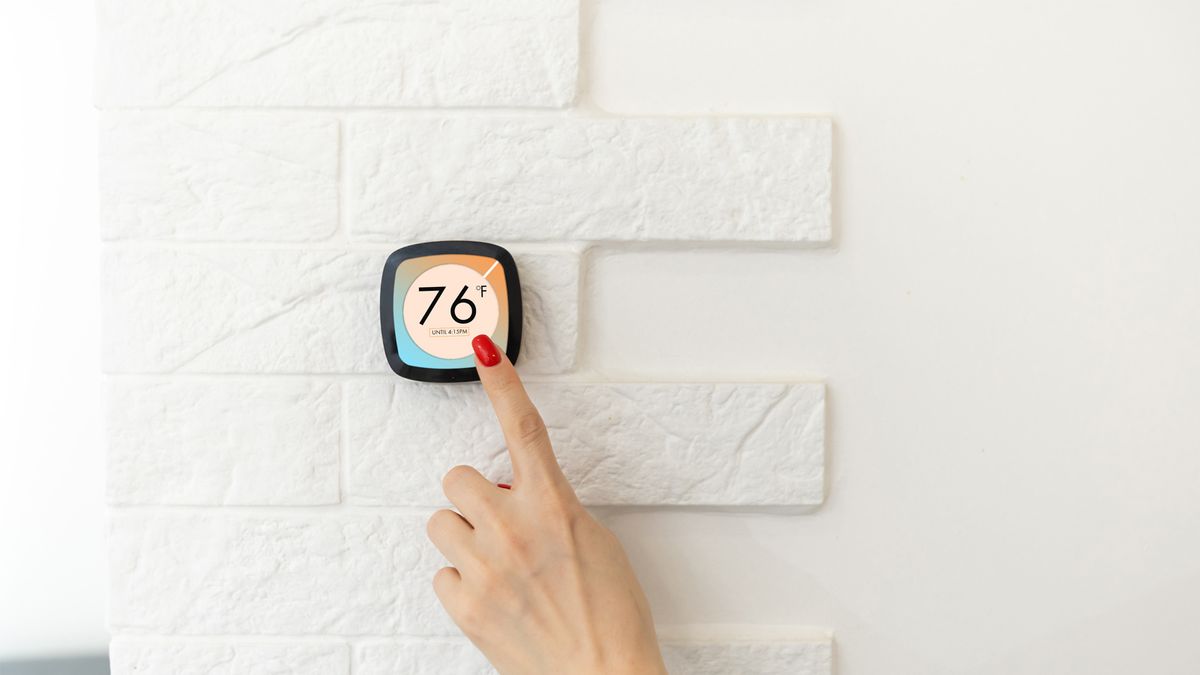
Your thermostat determines when your air conditioner operates and how much cooling it needs to provide. In Florida’s climate, thoughtful temperature management can make a noticeable difference to everyday system operation.
One common mistake is setting the thermostat extremely low after returning to a warm house. A lower setting does not make the AC cool the home faster. It simply gives the system a lower target temperature to reach, potentially extending its operating time.
Instead, consider these practical adjustments:
Maintain a consistent temperature. Choose a comfortable setting rather than constantly changing the thermostat throughout the day.
Use programmable settings. Schedule temperature adjustments around your household routine.
Consider a smart thermostat. Depending on the model and system compatibility, smart controls can help manage schedules and monitor temperature remotely.
Humidity deserves particular attention in South Florida. Your air conditioner does more than lower the indoor temperature: it also removes moisture from the air. If the system is switched off for extended periods, humidity can accumulate and make the home feel uncomfortable.
Properly controlled operating cycles help maintain temperature and moisture levels. If your AC repeatedly starts and stops, runs continuously, or struggles to maintain comfortable conditions, the issue may involve equipment sizing, airflow, thermostat controls, or system performance.
2. Keep Air Filters Clean and Airflow Unrestricted
Proper airflow is essential for efficient air conditioning. When air cannot circulate freely, cooling performance may decline and the system can experience additional strain.
A dirty air filter is one of the most common causes of restricted airflow. In South Florida homes, filters collect dust, pet hair, pollen, and other airborne particles. As debris accumulates, the filter becomes increasingly restrictive.
Homeowners can help prevent this problem with a few simple checks:
Inspect the air filter regularly. Follow the manufacturer’s recommendations for cleaning or replacement. Homes with pets or higher dust levels may require more frequent attention.
Use the correct filter size. An incorrectly fitted filter may allow unfiltered air to bypass it.
Keep supply vents unobstructed. Furniture, rugs, and curtains should not block air registers.
Maintain clear return-air grilles. These openings allow air to circulate back through the system.
Pay attention to uneven cooling. If some rooms consistently feel warmer than others, airflow restrictions or ductwork problems may be involved.
Closing multiple vents is not necessarily an effective way to reduce energy consumption. Central AC systems are designed around specific airflow requirements, and restricting circulation can interfere with their operation.
If basic filter replacement and clearing visible obstructions do not improve airflow, a professional inspection can help identify the underlying problem.
3. Reduce Heat Entering Your Home
Your air conditioner does not only cool the air inside your home. It must also remove the heat continuously entering through windows, walls, the roof, and other parts of the building.
In South Florida, intense sunlight can significantly increase indoor temperatures, particularly in rooms with large windows or direct afternoon exposure.
Reducing heat gain helps your cooling system maintain comfortable conditions without having to compensate for as much incoming heat.
Consider these improvements:
Use blinds and curtains strategically. Close window coverings during the hottest parts of the day.
Consider solar-control window treatments. Appropriate shades and window films can help reduce heat.
Check attic insulation. Insufficient insulation can allow excessive heat to transfer from the attic into living spaces.
Seal gaps around doors and windows. Poorly sealed openings allow warm, humid outdoor air to enter.
Limit indoor heat sources. Using ovens and other heat-producing appliances during the hottest hours can add to the home’s cooling load.
Consider exterior shading. Trees, covered patios, and other shading solutions can reduce direct solar exposure.
These improvements can be particularly valuable in older South Florida properties, where insulation, window performance, and air sealing may need attention.
4. Check the Condition of Your Air Ducts
Even an efficient air conditioner cannot deliver its full performance if the ductwork distributing cooled air throughout the home is compromised.
Over time, ducts can develop leaks, disconnected joints, damaged insulation, or airflow restrictions. This is particularly important in South Florida homes with ductwork running through hot attics.
When conditioned air escapes before reaching the intended rooms, the system may continue operating without delivering the expected comfort. Leaks on the return side can also draw hot, humid attic air into the system, increasing its cooling load.
Watch for these potential warning signs:
Certain rooms consistently receive weaker airflow.
Some areas remain warm even when the AC operates for extended periods.
Dust accumulates unusually quickly around supply registers.
The system struggles to maintain consistent indoor temperatures.
Visible duct sections appear damaged or disconnected.
Professional duct inspections can identify leakage, insulation problems, and airflow restrictions. Depending on the findings, sealing, insulation improvements, or airflow balancing may be recommended.
Addressing ductwork problems helps ensure that cooled air reaches the spaces where it is needed rather than being lost along the way.
5. Choose an AC System That Matches Your Home
Sometimes, higher cooling expenses are not related to thermostat settings or maintenance habits. The equipment itself may be limiting overall efficiency.
An older system can become less efficient as components wear and its condition deteriorates. However, age alone does not automatically mean replacement is necessary. Equipment condition, repair history, operating performance, and suitability for the property should all be evaluated.
When considering an AC replacement in South Florida, homeowners should pay attention to several important factors.
SEER2 efficiency rating
SEER2 (Seasonal Energy Efficiency Ratio 2) measures the seasonal cooling efficiency of an air conditioner or heat pump under standardized testing conditions. Generally, a higher SEER2 rating indicates greater efficiency. However, the rating alone does not guarantee lower household energy consumption. Installation quality, equipment sizing, ductwork, and operating conditions also matter.
Variable-speed and inverter technology
Traditional systems typically operate at a limited number of capacity levels. Inverter-driven systems can adjust compressor output to better match the home’s cooling demand.
When properly selected and installed, this technology can support more consistent temperature control, longer operating cycles, and improved humidity management.
Proper equipment sizing
A larger AC unit is not automatically a better choice.
An oversized system may cool the home quickly but shut down before removing sufficient moisture from the indoor air. An undersized system may struggle to maintain the desired temperature during periods of intense heat.
Professional load calculations should consider the home’s layout, square footage, insulation, windows, orientation, occupancy, and ductwork.
System type and household requirements
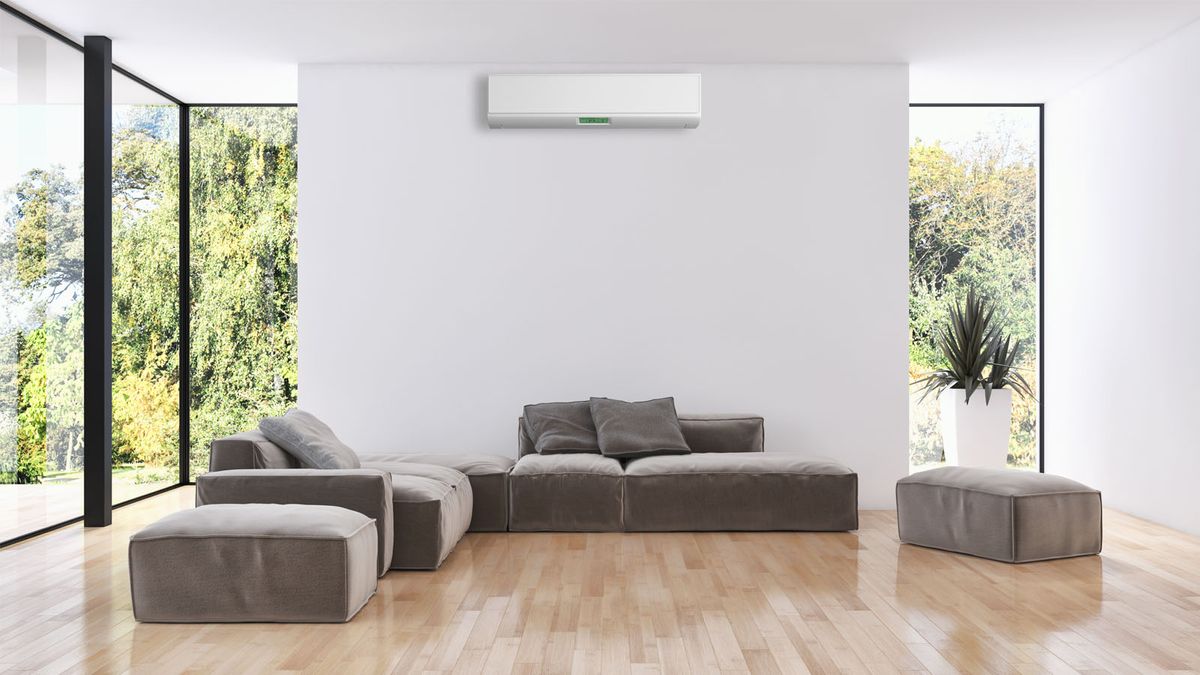
Central split systems, heat pumps, and ductless mini-splits offer different advantages depending on the property and cooling requirements.
For a closer comparison, explore our guide to different types of air conditioning systems.
Manufacturer and equipment features
Daikin is our flagship brand, and any brand you consider should be properly matched to the home and installed to manufacturer specifications. Other manufacturers also offer different configurations and efficiency features.
The right choice depends on the specific equipment model, property requirements, and professional installation — not simply the brand name.
Aura America HVAC can help homeowners evaluate suitable options and select equipment that meets their property’s cooling requirements.
6. Schedule Regular Professional AC Maintenance
In South Florida, residential air conditioners operate under demanding conditions for much of the year. Extended operating hours, high humidity, airborne dust, and coastal environmental conditions can all contribute to equipment wear and reduced performance.
Professional maintenance typically includes:
Inspecting electrical connections and system components.
Evaluating airflow and filter condition.
Inspecting evaporator and condenser coils.
Checking refrigerant performance and operating conditions.
Inspecting condensate drainage.
Checking thermostat operation and system controls.
Identifying developing problems that could affect reliability or efficiency.
Regular professional attention can help homeowners make informed decisions about repairs and future equipment replacement.
Aura America HVAC offers residential AC maintenance and tailored service options based on system requirements. Explore our AC maintenance plans to learn more about keeping your cooling system in proper working condition.
When Higher AC Costs Point to a System Problem
If your electricity consumption continues to rise despite reasonable thermostat settings and regular filter replacement, it may be time to check the equipment itself.
Increased cooling demand can be associated with several issues:
Refrigerant-related problems affecting cooling performance.
Dirty evaporator or condenser coils.
Worn electrical or mechanical components.
Airflow restrictions within the system.
Leaking or poorly insulated ductwork.
Incorrect equipment sizing or control settings.
These problems are not always visible to homeowners. Lowering the thermostat further may increase the system’s workload without addressing the underlying cause.
Aura America HVAC provides professional AC repair services in South Florida. Our technicians evaluate system performance, identify the source of the problem, and recommend appropriate solutions.
How is the cost of HVAC work determined?
The scope of work depends on the equipment type, its condition, the specific problem, accessibility, ductwork, and any additional electrical or installation requirements. Aura America HVAC establishes the appropriate scope of work and provides an estimate after an on-site assessment and diagnosis, rather than quoting a figure without first understanding the actual condition of the system.
Lower Cooling Costs Start With the Right HVAC Partner
Reducing AC costs in South Florida is not about making your home uncomfortably warm or forcing your air conditioner to operate less than necessary. It is about reducing unnecessary heat gain, maintaining proper airflow, managing indoor humidity, and ensuring your equipment is suitable for your home.
Some improvements are straightforward: replacing filters on schedule, using window coverings, and programming your thermostat thoughtfully. Others, including duct sealing, equipment optimization, and system repairs, require professional expertise.
Working with a local HVAC company also matters. Understanding South Florida’s climate, housing characteristics, and year-round cooling requirements makes it easier to recommend solutions that address real conditions.
Aura America HVAC serves residential customers throughout South Florida, with offices in Pompano Beach and Big Pine Key. The company operates under Florida HVAC License CMC1251254. Russian- and Spanish-speaking technicians are also on staff to assist homeowners with different language preferences.
Whether your system needs routine maintenance, a professional inspection, or a more energy-efficient replacement, our team can help you make informed decisions about your home’s cooling needs.
Contact Aura America HVAC 754-270-5435 to schedule a professional assessment and find out how to improve your home’s AC efficiency without compromising everyday comfort.
Frequently Asked Questions
1. Does replacing an AC filter help lower cooling costs?
A clean, correctly sized filter helps maintain proper airflow. A clogged filter can restrict circulation, reduce cooling performance, and place additional strain on system components.
2. Why does my AC run constantly in Florida?
Extended operation can be normal during periods of extreme heat. However, unusually long cycles combined with poor cooling may indicate dirty coils, restricted airflow, duct leaks, refrigerant problems, or incorrect equipment sizing. A professional inspection can determine whether the system is operating as intended.
3. Is an inverter AC system more energy-efficient?
Inverter technology allows a compressor to adjust its output according to cooling demand rather than relying exclusively on full-capacity operation. When properly selected and installed, these systems can offer improved operating efficiency, more consistent temperatures, and better humidity management.
4. How often should residential AC maintenance be scheduled in South Florida?
Because air conditioners in South Florida experience extended operating periods, regular professional maintenance is important. Many homeowners benefit from scheduling service twice a year, although the appropriate frequency depends on the equipment, manufacturer recommendations, and operating conditions.